Jesus Knew Bundle PNG, Judas Ate Too
A Designer’s First Look: Quiet, Weighty, and Surprisingly Versatile
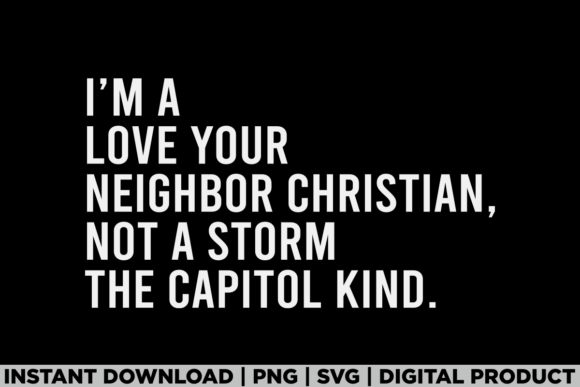
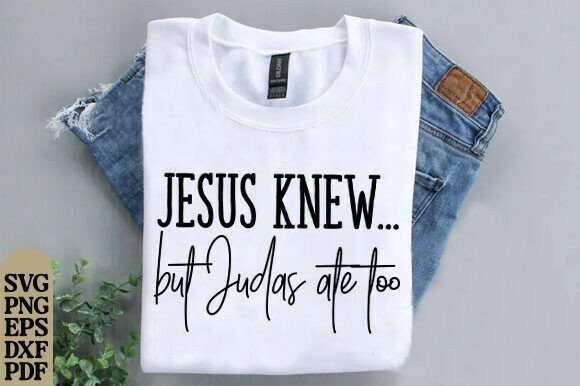
When I opened Jesus Knew Bundle PNG, Judas Ate Too, I didn’t expect the quiet resonance it carried. It’s not flashy or decorative—it leans into scriptural gravity with clean, intentional lettering and subtle spacing. The phrase “Jesus Knew” sits above “Judas Ate Too,” visually balanced but emotionally layered. As a designer who’s stitched hundreds of faith-based motifs—from cheerful nursery verses to bold statement tees—I immediately sensed this wasn’t meant for loud branding. It’s for reflection. For the boutique owner stitching minimalist linen tea towels. For the Etsy seller curating meaningful baby embroidery kits. For the church volunteer embroidering soft cotton blankets for new parents.
How It Translates to Real Embroidery Projects
I tested Jesus Knew Bundle PNG, Judas Ate Too as a machine embroidery design on three real-world items: a medium-weight unbleached cotton tote bag, a 100% cotton crewneck sweatshirt (midweight, brushed interior), and a lightweight muslin baby bib. On the tote, the design held its shape beautifully—no distortion, no puckering—especially when paired with a medium tear-away stabilizer. The letterforms stayed crisp, even at 3.5" wide. On the sweatshirt, I used cut-away stabilizer and reduced stitch density slightly in the inner curves of the “J” and “A”—a small tweak that kept satin stitch edges smooth and fabric-friendly. The bib was trickier: fine muslin + delicate lettering demanded ultra-fine needle (75/11), short stitches, and a light iron-on stabilizer. It worked—but only because the original design avoids tight serifs or micro-details.
This isn’t an applique design or a dense fill-stitch emblem. It’s built for legibility and breathability—ideal for custom apparel where wearability matters. Think embroidered pillow covers for a pastor’s study, monogrammed kitchen towels for a faith-based subscription box, or understated caps for retreat staff. It also scales well for holiday embroidery: imagine it stitched in ivory thread on charcoal wool blend throws, or in navy on cream linen napkins for Easter gatherings.
Where Caution Is Warranted
Don’t force Jesus Knew Bundle PNG, Judas Ate Too onto surfaces it wasn’t designed for. Avoid it on highly textured fabrics like bouclé or thick terry cloth—the lettering will blur. Skip stretchy knits unless you’re using high-quality knit stabilizer and reducing pull compensation; the horizontal flow of the text makes it sensitive to fabric give. Dark fabrics demand careful thread color testing: a warm charcoal gray thread reads more reverent than stark black, especially on deep navy or espresso cotton. And while it’s clean enough for small hoop sizes (4x4"), avoid cramming it into a 3x3"—the “Judas Ate Too” line loses nuance below 2.75".
Also note: the design doesn’t include decorative flourishes or borders, so it won’t anchor itself visually on curved surfaces like baseball caps without thoughtful placement and backing. If you’re planning embroidered patches, confirm whether your digitizer can cleanly convert the provided SVG or EPS files—some auto-trace tools struggle with thin, connected script strokes.
What It Adds to Your Handmade Product—and What It Doesn’t
This design elevates perceived value through restraint. Customers notice craftsmanship in clarity—not clutter. When stitched cleanly on a handmade product, Jesus Knew Bundle PNG, Judas Ate Too signals intentionality: the kind that builds trust with buyers seeking meaningful, non-generic faith expressions. It fits seamlessly into brand consistency for small shop owners who prioritize quiet confidence over trend-chasing. As a personalized gift, it lands with warmth—not preachiness—especially when paired with neutral tones and natural fibers.
But it won’t drive impulse clicks on Etsy thumbnails alone. Its strength is in context: paired with strong printable mockups, thoughtful product photography (e.g., the design stitched on a folded linen towel beside a ceramic mug), and authentic storytelling in your listing. It’s not a standalone viral graphic—it’s a trusted design asset for creators who understand their audience’s desire for depth over decoration.
Practical Embroidery Designer Notes Before You Stitch
- Always test first—on scrap fabric matching your final project’s weight and weave.
- Check thread color contrast on both light and dark backgrounds before committing to a full run.
- Review stitch density: if your machine flags heavy fill areas, simplify by converting inner curves to running stitch or reducing underlay.
- Confirm hoop size compatibility—this design works best in 4x4" or larger hoops for optimal detail retention.
- Inspect small details in vector format (SVG/EPS) before digitizing: look for stray anchor points or inconsistent stroke weights.
- Test black-and-white mockups to assess visual hierarchy—does “Jesus Knew” read first, as intended?
- Use appropriate stabilizer: tear-away for stable wovens, cut-away for knits, and fusible for lightweight or sheer fabrics.
- Verify licensing terms before selling finished items or bundling the digital embroidery file—you’re responsible for commercial use compliance.
Final Thought: A Design That Serves the Message
Jesus Knew Bundle PNG, Judas Ate Too succeeds because it doesn’t shout. It’s a T-Shirt Designs asset that behaves like fine typography—respecting fabric, honoring stitch limitations, and trusting the wearer to sit with its weight. For craft business owners, it’s low-risk, high-resonance design work. For embroidery designers, it’s a reminder that sometimes the most effective graphics are the ones that leave space—for meaning, for reverence, and for the quiet hum of real-life making.