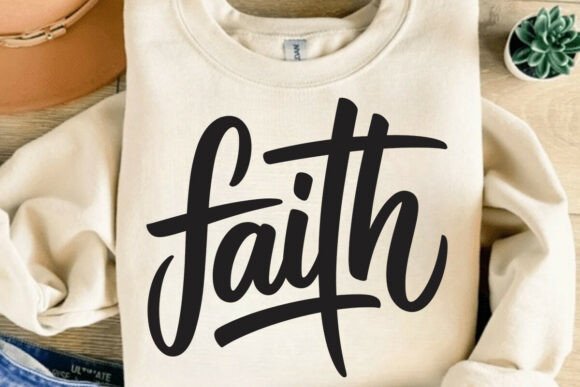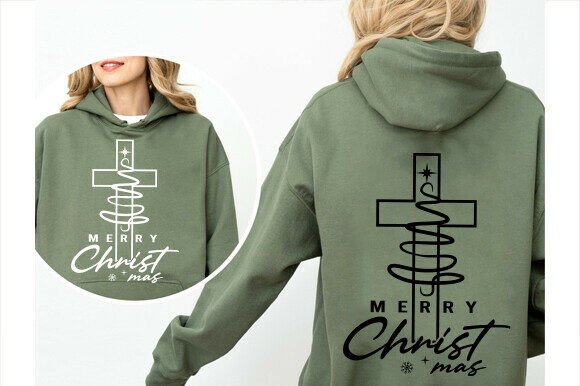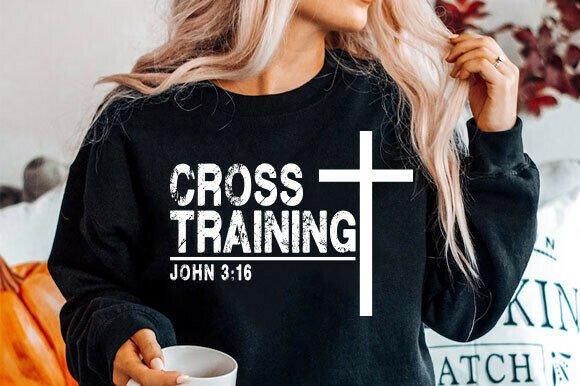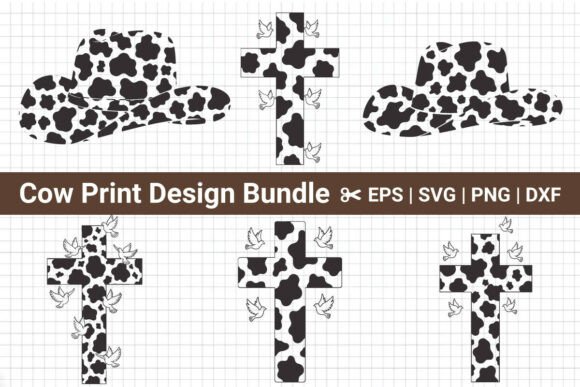
Cow Print Cowboy Hat and Christian Cross
First Impressions: Bold, Faith-Fueled, and Unapologetically Texan
When I opened Cow Print Cowboy Hat and Christian Cross, I didn’t just see a graphic—I saw a conversation starter. The cow print isn’t subtle; it’s rich, organic, and full of movement—exactly what you’d want in an embroidery design that needs to hold texture and dimension. The cowboy hat sits confidently centered, its brim slightly tilted, while the cross is cleanly integrated—not tucked away, but present with quiet reverence. It’s not kitschy or forced. It feels like something a small-batch boutique in Austin or a faith-based craft shop in Nashville would proudly stitch onto a linen apron or a heavyweight cotton tote.
A Real Project Test: Embroidering It on a Linen-Cotton Blend Tote Bag
Last week, I prepped Cow Print Cowboy Hat and Christian Cross for a custom order: a 14” x 16” natural linen-cotton blend tote for a local church women’s ministry. They wanted something wearable at retreats—faith-centered but grounded in everyday life. I chose a medium-weight cutaway stabilizer and tested three thread palettes: classic black-on-cream, rust-and-cream (to echo the warmth of the cow print), and navy-on-ivory (for contrast without harshness). The design held up beautifully—the hat’s crown stitched crisply, the cross remained legible even at 3.5”, and the cow print’s tonal variation translated well through satin and fill stitches. No puckering. No lost detail. That tells me this isn’t just a T-Shirt Design—it’s a thoughtful embroidery file built for real fabric behavior.
Where It Shines (and Where It Needs Extra Care)
Cow Print Cowboy Hat and Christian Cross excels on structured, medium-to-heavyweight fabrics: sweatshirt embroidery, denim jackets, canvas aprons, and pillow covers all let its confident scale and balanced negative space breathe. It’s strong enough for boutique branding—think embroidered tea towels sold alongside ceramic mugs—or holiday embroidery like personalized Christmas stockings where the theme resonates without being overt.
But here’s where attention matters: avoid using it on baby embroidery unless you’re stitching on a larger item like a quilt square or nursery wall hanging. The cow print’s organic edges and the cross’s clean lines demand a minimum 4” hoop size for clarity—and even then, test first on scrap fabric with your exact stabilizer combo. On stretchy knits or thin tees, the fill density could cause distortion if not paired with light tear-away + topping. And on dark fabric? Run a quick black-and-white mockup—you’ll want high-contrast thread (like bright white or gold) to keep the cross visually anchored.
Stitching Clarity Meets Customer Trust
Customers don’t buy designs—they buy finished products they can picture in their lives. When someone sees Cow Print Cowboy Hat and Christian Cross on a hand-stitched cap or a limited-run patch, they’re reading intention: craftsmanship, identity, and care. That perception lifts perceived value. As an Etsy seller or small shop owner, that matters. A poorly digitized cross might read as generic; this one has weight, proportion, and rhythm—it feels intentional, not algorithmic. That builds trust, especially for personalized gifts or wedding-related items (think: “Cowgirl & Christ” bridal party totes).
Design Assets for Commercial Use: What You Must Verify
This is a Graphics-category file marketed for cutting machines—but as an embroidery designer, I treat it like a digital embroidery file until proven otherwise. Before adding Cow Print Cowboy Hat and Christian Cross to your craft business inventory or listing it as part of a commercial embroidery bundle, confirm licensing. Does it allow resale of finished embroidered items? Can you use it in printable mockups for your Etsy listings? Is it cleared for small batch production (e.g., 50–200 units)? The product description mentions Cricut compatibility, but doesn’t clarify embroidery-specific rights—so always double-check before scaling.
Practical Designer Notes You’ll Actually Use
- Test on scrap fabric first—especially with textured weaves or blends. Linen, duck cloth, and midweight terry all behave differently under needle tension.
- Review stitch density before hooping. Dense fills look lush on totes but may overwhelm a delicate kitchen towel—consider simplifying background elements if needed.
- Confirm hoop size. This design reads best at 4.5”–5.5”. If you’re working with a 3.5” cap frame, scale down only after testing—corners and curves compress unpredictably.
- Inspect small details: the cross arms and hat band edges should be crisp, not fuzzy. If they blur in your software preview, it’s a red flag for thread breakage or skipped stitches.
- Try black-and-white mockups. It reveals contrast issues faster than color—and helps you spot where stabilizer choice makes or breaks the final look.
- Use proper stabilizer: cutaway for knits and stretchy fabrics, tear-away for stable wovens, and always add a light topping for napped surfaces like fleece or terry.
- Check dual-use viability: does it work equally well for personal projects and client work? With Cow Print Cowboy Hat and Christian Cross, yes—its balance of theme and execution bridges both worlds.
Final Thought: Not Just a Design—A Story Stitched Right
Cow Print Cowboy Hat and Christian Cross isn’t about trend-chasing. It’s about resonance. When stitched thoughtfully—on a well-chosen fabric, with deliberate thread choices, and respect for how real-world embroidery behaves—it becomes more than decoration. It becomes a quiet affirmation: faith rooted in authenticity, creativity grounded in craft, and handmade product integrity you can stand behind. Whether you’re prepping for a craft fair, building your Etsy shop’s signature line, or fulfilling a custom request for a meaningful gift, this design earns its place in your library—not because it’s flashy, but because it works. And in our world, that’s the highest compliment.