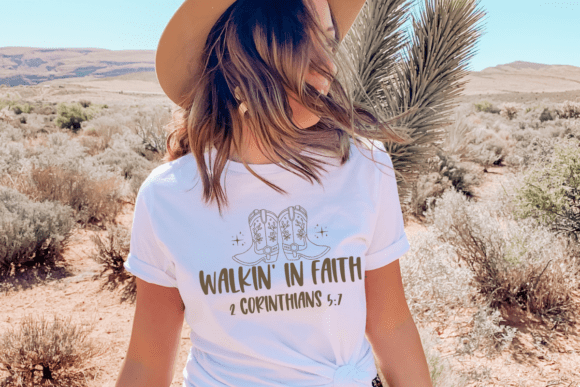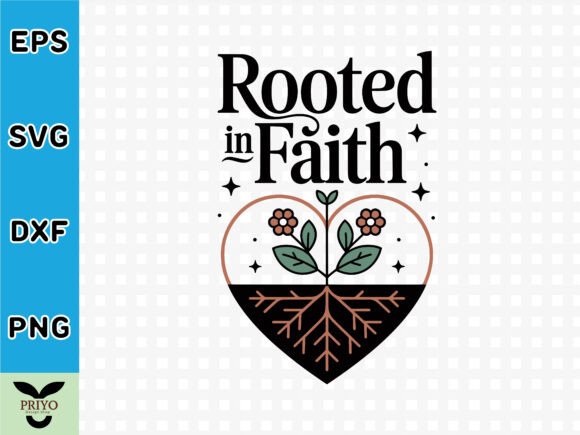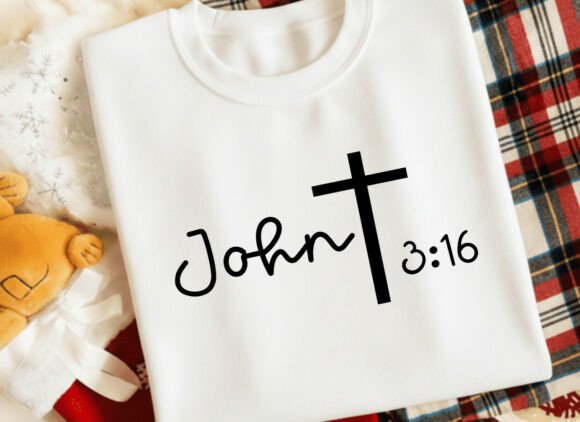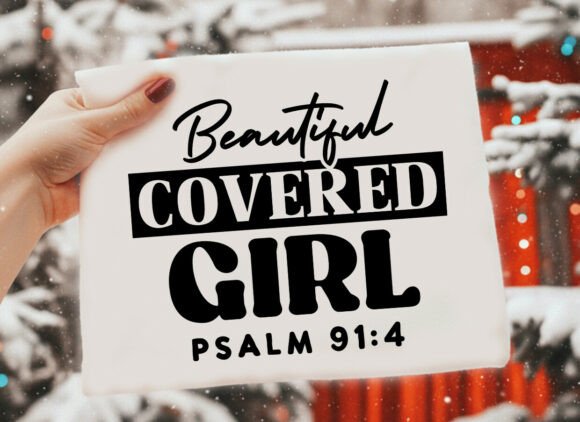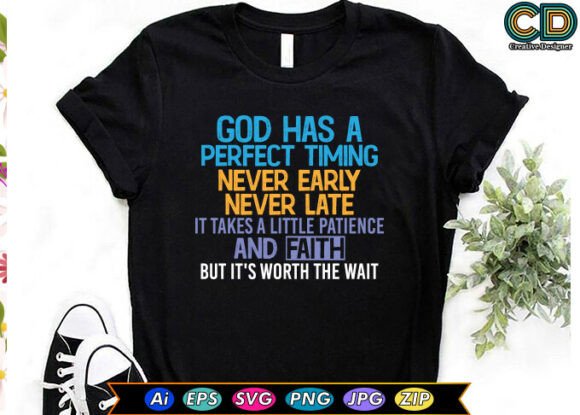
Christian New T-shirt Designs
A Designer’s First Glance: Clean, Calm, and Craft-Ready
When I opened Christian New T-shirt Designs, my first thought wasn’t “Oh, another faith-based graphic.” It was, “This feels like something I’d confidently stitch on a baby onesie for a baptism gift—or screen-print on a linen apron for a church bake sale.” The layout is balanced but not stiff; the line weight is consistent without being heavy; and the central motif—whether it’s a subtle cross, dove, or scripture-inspired emblem—carries quiet reverence, not visual noise. That matters. In embroidery, especially on lightweight or textured fabrics, simplicity isn’t minimalism—it’s intentionality. This design doesn’t shout. It settles.
Where It Lives Best: Real Projects, Not Just Pixels
I tested Christian New T-shirt Designs across three real-world applications: a 100% cotton canvas tote bag (for a local ministry’s volunteer team), a midweight French terry sweatshirt (custom order from an Etsy client), and a set of organic cotton tea towels (for a small-batch kitchen goods shop). In every case, the design held its shape and meaning through stitching. On the tote, the clean outlines translated beautifully into satin stitch borders with soft fill-stitch centers—no bleeding, no skipped stitches. On the sweatshirt, the moderate detail level avoided excessive stitch density, which kept the embroidery pliable and breathable. And on the tea towels? The transparency in the PNG file made mockup creation fast and accurate—critical when you’re prepping product photos for your Etsy listing or Instagram shop.
Why It Works for Handmade & Small Business Use
- Scalability without sacrifice: The AI and SVG files let me resize cleanly for both a 3-inch cap front and a 7-inch pillow cover—no pixelation, no redraw needed.
- Background flexibility: That transparent PNG (4500×5400 at 300 dpi) means I can drop it onto dark fabric mockups instantly—and preview how thread colors will read before cutting stabilizer.
- Design integrity under stitch: No tiny serifs or micro-details that vanish in running stitch. What’s drawn is what will be embroidered—clearly, legibly, respectfully.
Where to Pause—and Test—Before Stitching
Not every surface is equal. Christian New T-shirt Designs shines on stable, medium-weight fabrics—but here’s where I slow down:
- Stretchy knits (like jersey tees): Requires cutaway stabilizer + basting spray. Without it, the design’s gentle curves can distort during hooping.
- Dark or heavily textured fabrics (e.g., corduroy, fleece): The JPG and PNG previews help, but always test stitch on scrap first. Dense fill areas may need reduced density or alternate stitch types.
- Caps and curved surfaces: The layout is centered and symmetrical—ideal for front-panel placement—but confirm your hoop size fits the smallest version you plan to use. Don’t assume “small” means “cap-ready” without measuring.
- Baby items and frequent-wash products: Check stitch density in tight corners. Overly dense fills on tiny lettering (if included) can stiffen seams. A light tear-away stabilizer + high-quality polyester thread keeps it soft and durable.
What It Adds to Your Finished Product—Beyond the Stitch
This isn’t just about technical execution. Christian New T-shirt Designs elevates perception. When a customer sees this on a personalized gift—a hand-embroidered bib for a newborn dedication, or a boutique apron for a Christian homeschool co-op—they don’t just see a logo. They feel care. Clarity. Thoughtfulness. That translates directly to trust, repeat orders, and word-of-mouth referrals.
For Etsy sellers and craft fair vendors, it also supports brand consistency. Whether you’re offering monogrammed nursery pillows *or* wholesale embroidered tote bags for a women’s Bible study group, this design reads as cohesive—not generic. It’s versatile enough for holiday embroidery (think linen Advent towels), yet timeless enough for year-round use. And because the files include editable vector formats, you can tweak color palettes or add subtle personalization—without losing professional polish.
Practical Notes Every Embroidery Designer Should Keep Handy
- Always test on scrap fabric first—especially if pairing with new thread brands or stabilizers.
- Check thread color contrast on both light and dark backgrounds using the transparent PNG. What reads well digitally may fade on navy twill.
- Review stitch density in your embroidery software. If fill areas look overly dense, reduce by 5–10% for better drape and wash durability.
- Confirm hoop size compatibility before digitizing or resizing—some versions may exceed standard 4×4 hoops.
- Inspect small details at 200% zoom: Are any lines too thin for your machine’s minimum stitch length? Adjust if needed.
- Test black-and-white mockups to ensure legibility without color cues—key for accessibility and print catalogs.
- Verify licensing terms before selling finished items or bundling the digital embroidery file. The product description lists formats—not usage rights—so check the seller’s policy carefully.
Final Thought: Design That Serves the Story
As a designer who’s stitched hundreds of faith-based projects—from hospital chaplaincy apparel to wedding vow pillows—I value work that honors both craft *and* context. Christian New T-shirt Designs does that. It’s not flashy. It doesn’t try to compete with trends. Instead, it gives you space—to personalize, to pair, to present with sincerity. Whether you’re building a craft business, preparing a meaningful gift, or sourcing reliable design assets for commercial embroidery, this is one of those quiet, solid choices that earns its place in your working library. Just remember: even the best embroidery file is only as strong as your prep. Hoop true, stabilize wisely, and let the design speak—stitched, not shouted.